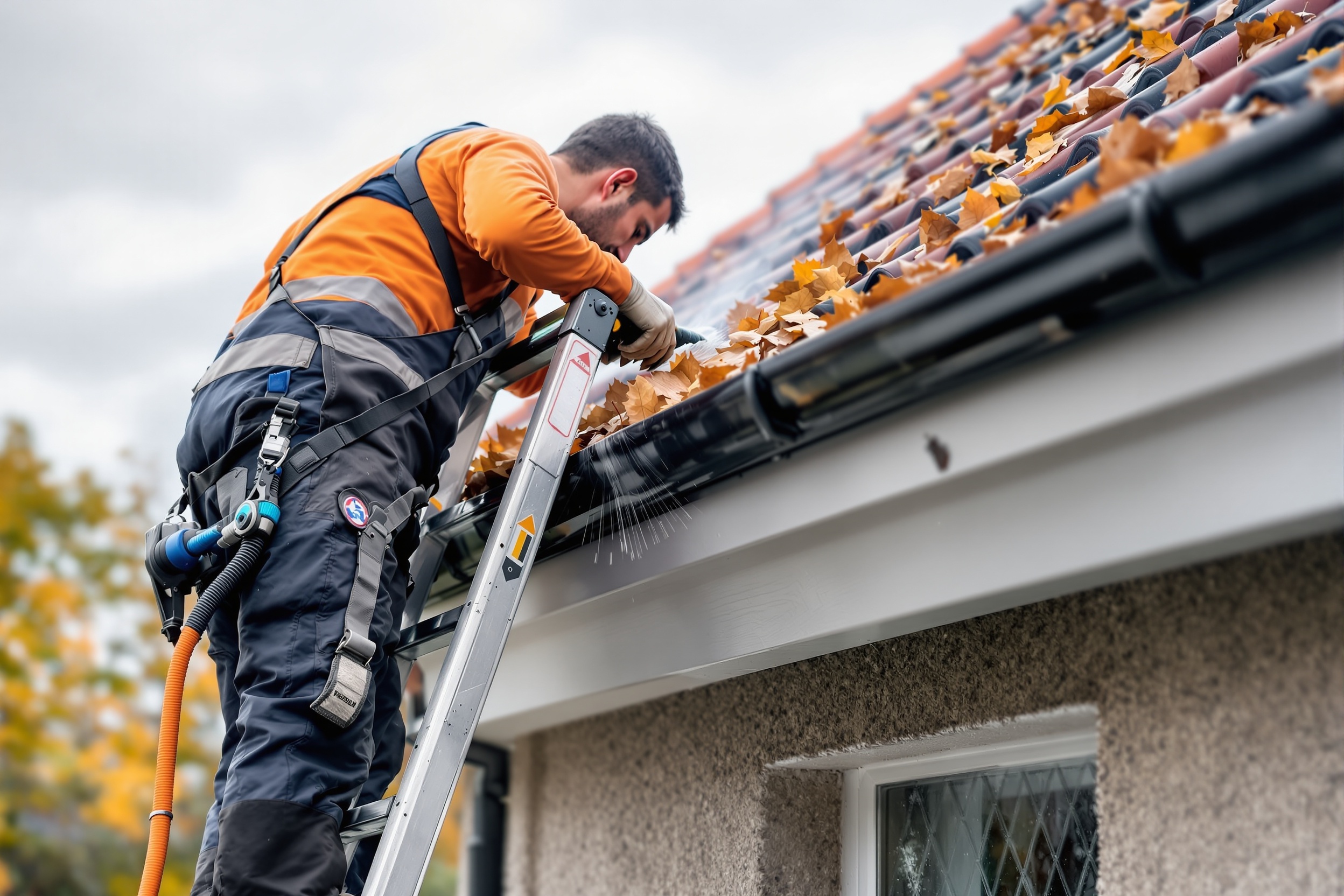

Your roof is your home's first and most important line of defence against the elements. In Dublin's damp, mild climate, moss, lichen, and algae grow rapidly on roof tiles — and if left untreated, they can cause serious, expensive structural damage. Yet roof cleaning is one of the most overlooked aspects of home maintenance in Ireland. Many homeowners don't realise there is a problem until they notice a leak, by which point significant damage may already have occurred. Understanding why roof cleaning matters — and how to do it safely and effectively — is essential knowledge for every Dublin homeowner.
Moss may look relatively harmless — a soft, green covering on roof tiles — but it causes serious damage over time. Moss holds moisture against the surface of roof tiles, preventing them from drying out properly after rainfall. This constant moisture accelerates the deterioration of tile surfaces, particularly in winter when water trapped beneath moss freezes and expands in a process known as freeze-thaw damage. The expansion and contraction of freezing water gradually cracks and loosens tiles, eventually leading to leaks. Moss also has root-like structures called rhizoids that penetrate tile surfaces, causing physical damage and creating pathways for water ingress. A roof with significant moss growth is a roof that is actively being damaged every time it rains.
Lichen is even more damaging than moss and is unfortunately very common on Dublin roofs. Unlike moss, which sits on the surface of tiles, lichen bonds directly to the tile material through a chemical process, making it extremely difficult to remove without professional equipment and specialist treatments. Lichen produces acids that etch into tile surfaces, causing permanent damage to the glaze and the tile material itself. It also holds moisture against tiles in the same way as moss, accelerating freeze-thaw damage. Lichen growth is a sign that a roof has been neglected for a significant period — it typically takes several years to establish — and its presence indicates that professional cleaning is urgently needed.
Algae growth on roof tiles causes the characteristic black and dark green staining that makes roofs look decades older than they are. While algae is less structurally damaging than moss or lichen, it is unsightly and indicates that the roof surface is retaining moisture. Algae also provides a food source and growing medium for moss and lichen, so an algae-covered roof will typically develop moss and lichen problems if left untreated. Algae staining can significantly reduce the kerb appeal of a property and may affect its value — particularly when selling or renting.
The method used to clean a roof is critically important. High-pressure washing — while effective at removing surface moss and algae — can cause serious damage to roof tiles. The high pressure can dislodge pointing, crack or chip tiles, strip the protective glaze from tile surfaces, and force water under tiles and into the roof structure. Many roof tile manufacturers explicitly state that high-pressure washing voids their product warranty. Soft washing, by contrast, uses very low water pressure combined with specialist biodegradable cleaning solutions that kill moss, lichen, and algae at the root. It is gentle on tiles while being highly effective against biological growth, and results last significantly longer because the organisms are killed rather than just physically removed.
Most Dublin roofs benefit from a professional clean every 3–5 years, depending on the surrounding environment and the orientation of the roof. North-facing roof sections, roofs shaded by trees, and roofs in areas with high atmospheric moisture will develop moss and algae growth faster than south-facing, open roofs. After professional cleaning, a long-lasting biocidal treatment is applied that prevents regrowth for years, significantly extending the time between cleans.
The cost of professional roof cleaning is modest compared to the cost of the repairs that neglected moss and lichen growth can cause. Replacing damaged or cracked roof tiles costs €50–€150 per tile including labour. Repointing a ridge or hip costs €500–€2,000 depending on the length. A full roof replacement for an average Dublin semi-detached house costs €8,000–€20,000. Regular professional cleaning and treatment is a small investment that can prevent all of these costs and extend the life of your roof by many years.
A professional roof cleaning service should begin with a thorough inspection of the roof to assess the extent of moss, lichen, and algae growth, and to identify any existing damage such as cracked or slipped tiles, failed pointing, or damaged flashing. The cleaning itself should use soft washing techniques with biodegradable cleaning solutions. After cleaning, a biocidal treatment should be applied to kill remaining spores and prevent regrowth. The company should carry full public liability insurance and be able to provide references from previous customers. Always get a written quote before work begins.
A clean, well-maintained roof makes a significant difference to the appearance and perceived value of a property. Estate agents consistently report that the condition of the roof is one of the first things potential buyers notice, and a moss-covered roof can create a negative first impression that affects the price buyers are willing to offer. For homeowners preparing to sell, professional roof cleaning is one of the most cost-effective improvements you can make to maximise your property's kerb appeal and sale price.
Roof cleaning is not a luxury — it is an essential part of maintaining your Dublin home and protecting your investment. Moss, lichen, and algae cause real, progressive damage to roof tiles that becomes increasingly expensive to repair if left untreated. Professional soft washing is the safest and most effective solution, delivering long-lasting results without risking damage to your tiles. Call our Dublin team on 1800 938 381 for a free roof cleaning quote, or visit our Exterior Cleaning page to learn more.
Fully insured. Free quotes. All Dublin areas covered.